
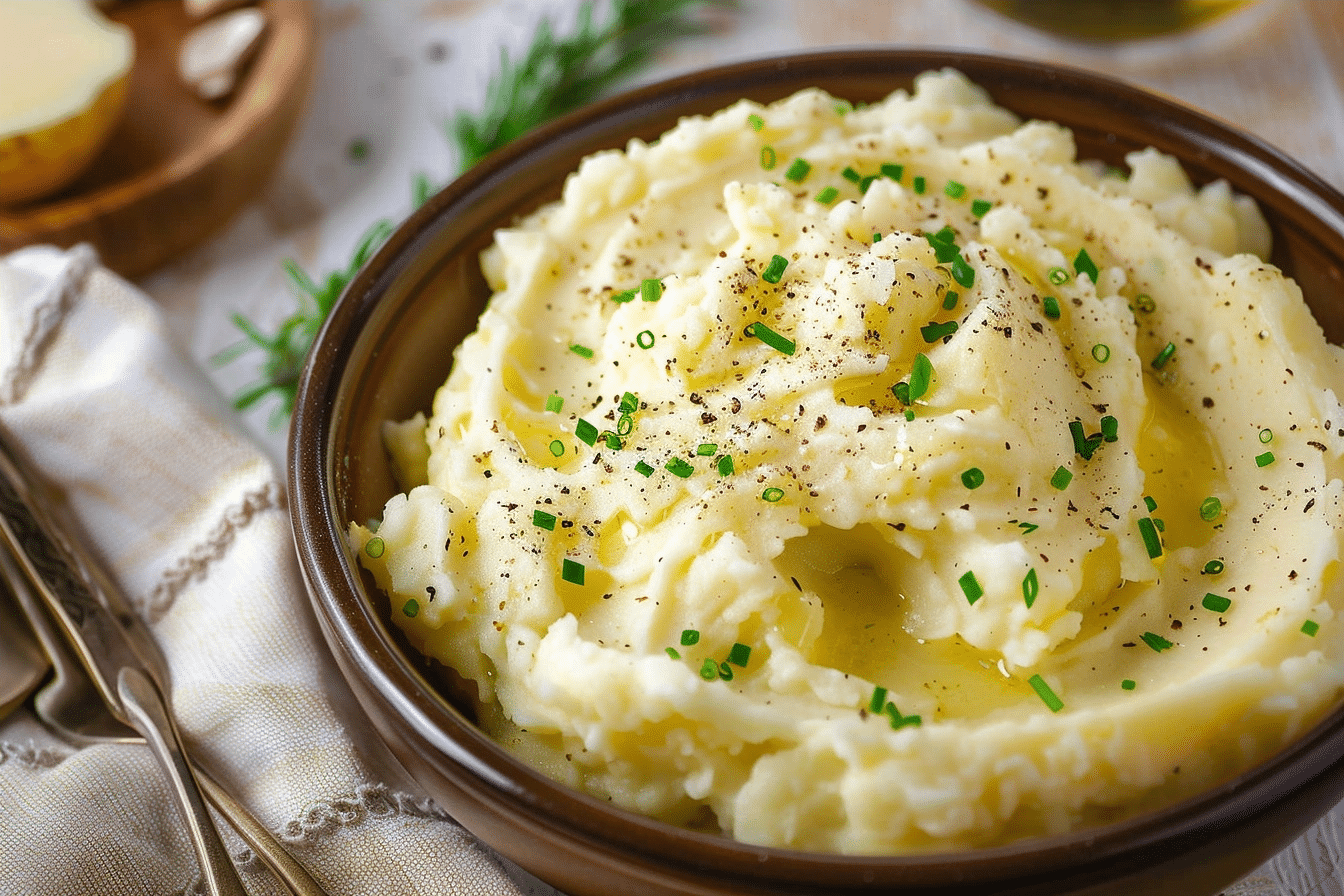
The best mashed potatoes possess an incredibly smooth, buttery texture that pairs perfectly with any main course. Achieving this culinary standard requires focusing on the quality of your potatoes and the careful management of moisture content throughout the cooking process. You will find that this straightforward method produces reliable and restaurant-quality results every single time you prepare them in your kitchen.
| Prep Time | Cook Time | Total Time | Servings | Difficulty | Cuisine |
|---|---|---|---|---|---|
| 10 mins | 20 mins | 30 mins | 6 | Easy | American |
Why This Recipe Works
This recipe consistently delivers the best mashed potatoes because it prioritizes the texture of the starch. By cutting the potatoes into uniform one-inch pieces, they cook evenly and absorb butter and dairy components much more effectively. I have found that leaving the potatoes in the hot pot after draining is the absolute best way to ensure they are not waterlogged, which results in a superior mash.
You will appreciate the simplicity of these mashed potatoes because they rely on fundamental techniques rather than complex equipment. Using room-temperature butter ensures that it melts smoothly into the hot potatoes, while warming the milk prevents the mash from cooling down prematurely. This approach highlights the natural flavor of the Yukon Gold or Russet potatoes without needing heavy additives.
Ingredients
| Ingredient | Quantity | Notes/Alternatives |
|---|---|---|
| Yukon Gold or Russet Potatoes | 3 pounds | Yukon for creaminess; Russet for fluffiness |
| Unsalted Butter | 4 tablespoons | Must be room temperature |
| Salt | 1 teaspoon | Divide for water and seasoning |
| Black Pepper | 1/4 teaspoon | Adjust to personal preference |
| Whole Milk | 1/2 cup | Use heavy cream for extra richness |
Step-by-Step Instructions
Preparation and Boiling
- Scrub the potatoes thoroughly under cool running water to remove any dirt or debris.
- Peel the potatoes if you prefer a smooth texture or leave the skins on for a rustic finish.
- Cut the potatoes into uniform 1-inch pieces to ensure they cook at the same rate.
- Place the prepared potato pieces into a large pot and cover with cold water.
- Add 1/2 teaspoon of salt to the water to season the potatoes from the inside out.
- Boil over high heat for 12 to 15 minutes until the potatoes are tender when pierced with a fork.
Mashing and Finishing
- Transfer the boiled potatoes to a colander and drain them well.
- Return the drained potatoes immediately to the empty hot pot.
- Allow the potatoes to rest in the hot pot for 2 to 3 minutes to evaporate any remaining moisture.
- Add the room-temperature butter pieces directly onto the potatoes.
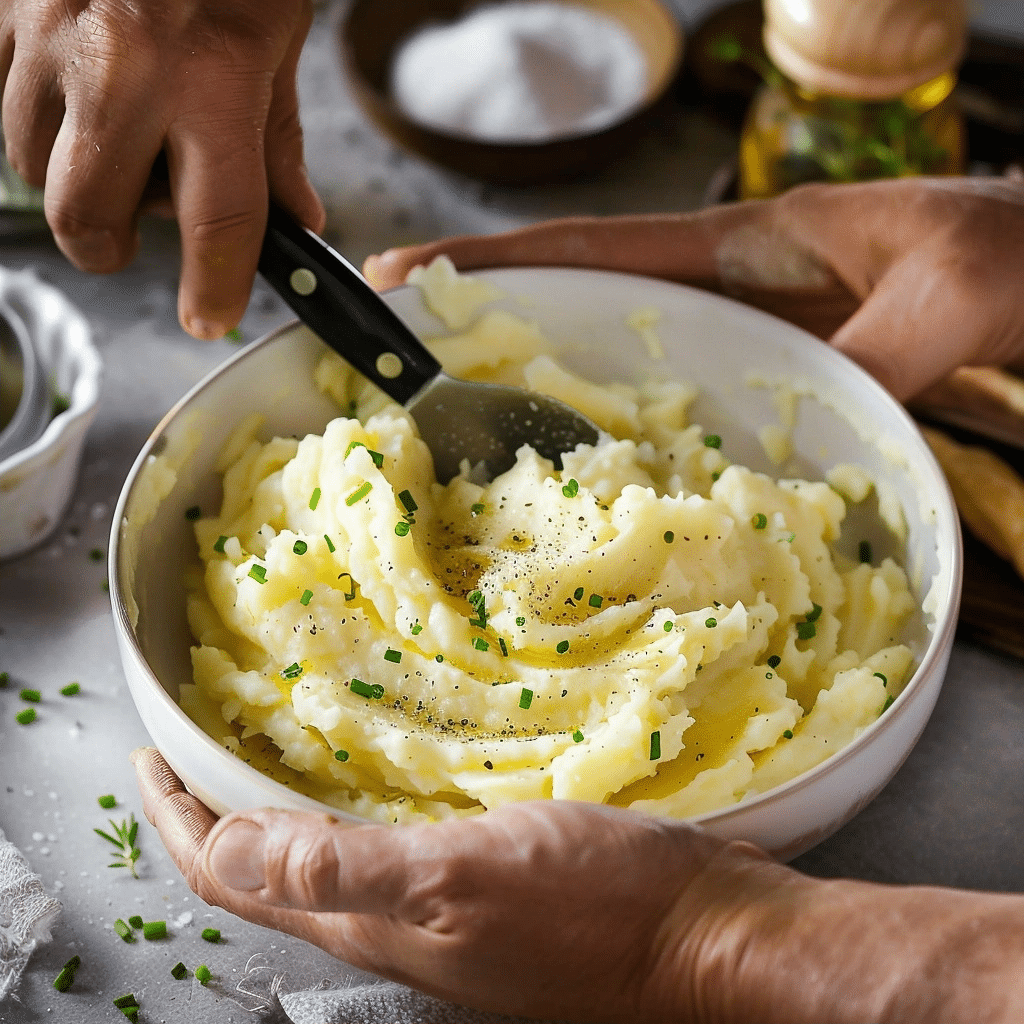
- Mash the mixture using a potato masher until you reach your desired level of smoothness.
- Stir in the remaining 1/2 teaspoon of salt, black pepper, and half of the warm milk.
- Incorporate the remaining milk gradually until you reach the perfect consistency.
- Taste and adjust the seasoning before serving hot.
Chef Tips for Perfect Results
- Always start with cold water when boiling your potatoes to ensure they cook evenly from the center out.
- Avoid over-mashing your potatoes as this can cause them to become gummy instead of light and fluffy.
- Warm your milk slightly before adding it to the potatoes to keep the mash at a high temperature.
- Use room temperature butter to ensure it emulsifies properly with the starch for a silky finish.
- Choose Yukon Gold potatoes if you want a buttery, dense texture, or Russets if you prefer a light and airy bite.
Common Mistakes to Avoid
- Adding cold milk or butter creates lumpy potatoes that do not absorb fat, so always warm your dairy components.
- Using a food processor often breaks down the starch molecules too much, resulting in a gluey paste.
- Failing to salt the boiling water leaves the potatoes bland, regardless of how much seasoning you add at the end.
- Overcooking the potatoes causes them to absorb too much water, which leads to a thin and soupy mashed potato.
Variations and Substitutions
| Ingredient | Substitution | Impact |
|---|---|---|
| Whole Milk | Half-and-half | Increases creaminess and density |
| Unsalted Butter | Olive Oil | Adds a healthy fat with a distinct flavor note |
| Black Pepper | White Pepper | Provides heat without visible dark flecks |
Serving Suggestions and Pairings
These mashed potatoes serve as the ideal companion to roasted vegetables, savory mushroom gravy, or plant-based meat substitutes. Serve them during holiday gatherings or family dinners for a comforting touch that everyone enjoys. Pair them with a crisp green bean almondine or a garden salad to balance the richness of the spuds.
Storage and Reheating
| Method | Duration | Instructions |
|---|---|---|
| Refrigerator | 3 to 4 days | Store in an airtight container |
| Stovetop | 5 minutes | Reheat over low heat with a splash of milk |
| Microwave | 2 minutes | Stir halfway and cap with a damp towel |
Nutritional Information
Approximate values.
| Nutrient | Amount per Serving |
|---|---|
| Calories | 210 |
| Fat | 8g |
| Carbohydrates | 32g |
| Protein | 4g |
Frequently Asked Questions
Can I make these mashed potatoes in advance?
Yes, you can prepare them ahead of time and store them in the refrigerator for up to three days. Simply reheat them on the stove over low heat, adding a small amount of warm milk to restore the creamy texture.
Why should I use warm milk in mashed potatoes?
Using warm milk prevents the potatoes from dropping in temperature too rapidly during the mixing process, which keeps the butter emulsified. Cold milk can cause the butter to solidify, resulting in unwanted lumps in your mash.
How do I know when the potatoes are done?
The potatoes are done when a fork slides into the center of a piece with zero resistance but the potato chunk remains intact. Avoid waiting until the potatoes begin to fall apart in the water, as this indicates they are overcooked and waterlogged.
Are Yukon Gold or Russet better for mashing?
Yukon Gold potatoes are better for a buttery, creamy texture, while Russets excel if you prefer a light, fluffy result. Both varieties work well depending on your personal preference for the final mouthfeel of the dish.
What should I do if my potatoes become gummy?
Gummy potatoes typically occur from over-mashing or using the wrong equipment like a food processor. To prevent this, mash gently by hand and avoid overworking the potato base once the butter and milk have been incorporated.
Mastering the best mashed potatoes comes down to patience and respect for the starch. By following these precise steps and avoiding common traps, you create a side dish that elevates any meal. Enjoy the creamy, rich textures of your homemade batch today.

The Best Mashed Potatoes
Ingredients
- 3 pounds Yukon Gold or Russet Potatoes
- 4 tablespoons Unsalted Butter, room temperature
- 1 teaspoon Salt, divided
- 1/4 teaspoon Black Pepper
- 1/2 cup Whole Milk (or heavy cream)
Instructions
- Scrub the potatoes thoroughly under cool running water.
- Peel the potatoes if desired or leave skins on for a rustic finish.
- Cut the potatoes into uniform 1-inch pieces.
- Place potato pieces into a large pot and cover with cold water.
- Add 1/2 teaspoon of salt to the water.
- Boil over high heat for 12 to 15 minutes until tender when pierced with a fork.
- Drain the potatoes well in a colander.
- Return drained potatoes to the hot pot to evaporate excess moisture.
- Add the room temperature butter and warm milk to the hot potatoes.
- Mash until smooth and season with remaining 1/2 teaspoon salt and black pepper to taste.